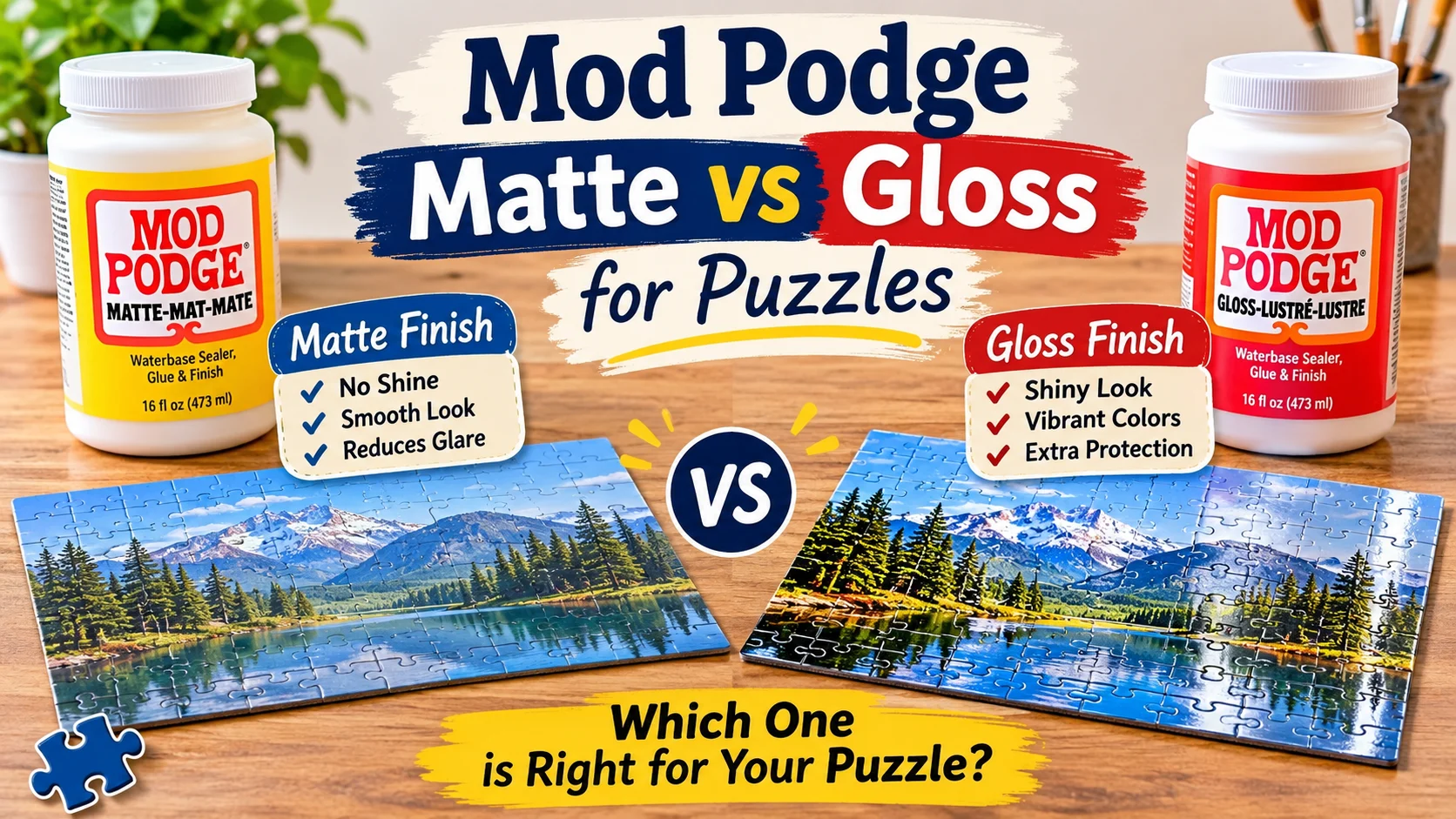
Mod Podge matte is best for jigsaw puzzles when you want a non-reflective finish with minimal glare, especially for puzzles displayed behind glass or under bright lights. Mod Podge gloss is better if you prefer a shiny surface and a polished appearance that can make puzzle colors look richer. Both finishes can preserve completed puzzles when you use an appropriate formula.
Finishing a jigsaw puzzle is rewarding, especially after spending hours fitting hundreds or thousands of pieces together. If you want to preserve your completed puzzle for framing, wall art, or display, choosing the right sealant matters.
When comparing Mod Podge matte vs gloss for puzzles, the biggest difference is the final appearance. Matte offers a subtle, low-reflection finish, while gloss adds shine and can enhance the visual depth of the puzzle artwork. Neither finish is automatically better for every project.
Your ideal choice depends on the puzzle’s artwork, the lighting in your room, and whether you plan to frame it behind glass or display it without a cover.
In this guide, you’ll learn how matte and gloss compare, which is best for different display situations, how to apply puzzle sealer properly, and how to avoid common mistakes that could affect your finished puzzle.
Mod Podge Matte vs Gloss: What’s the Difference?
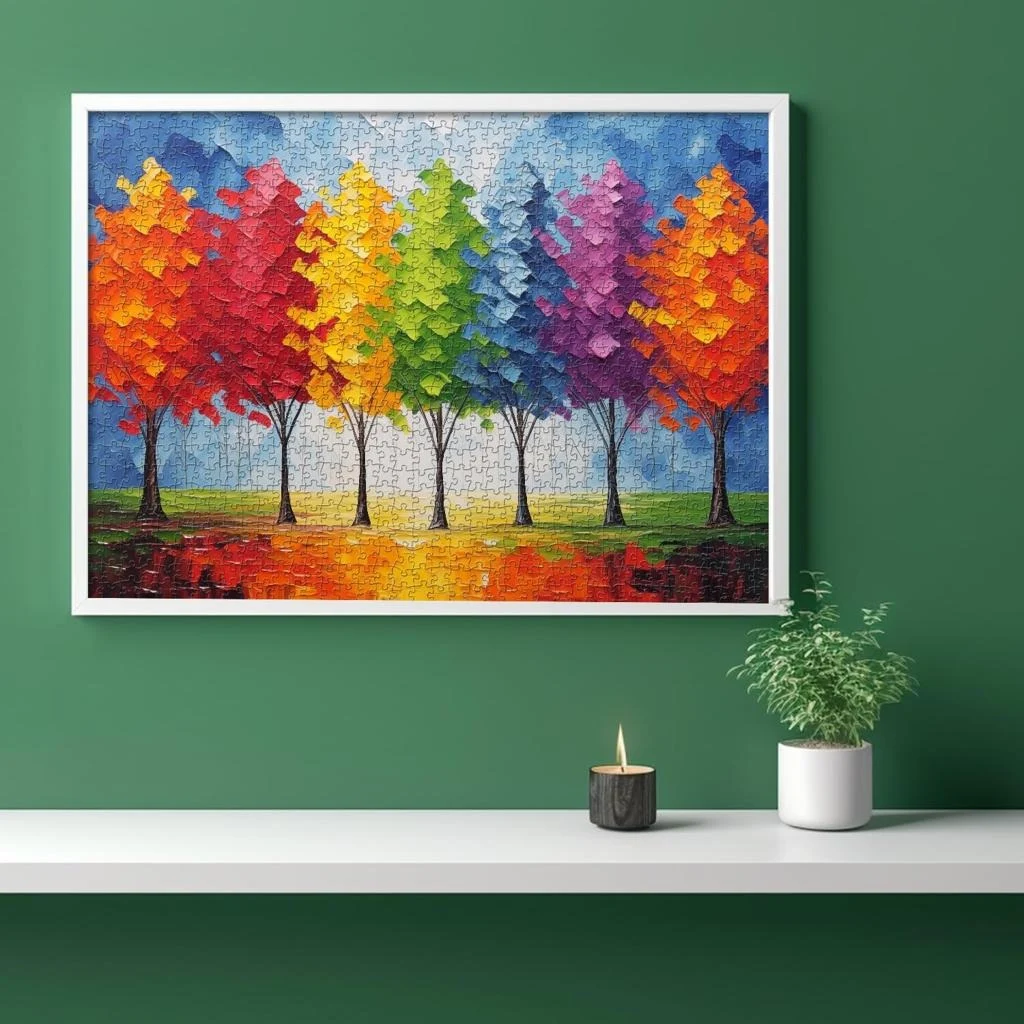
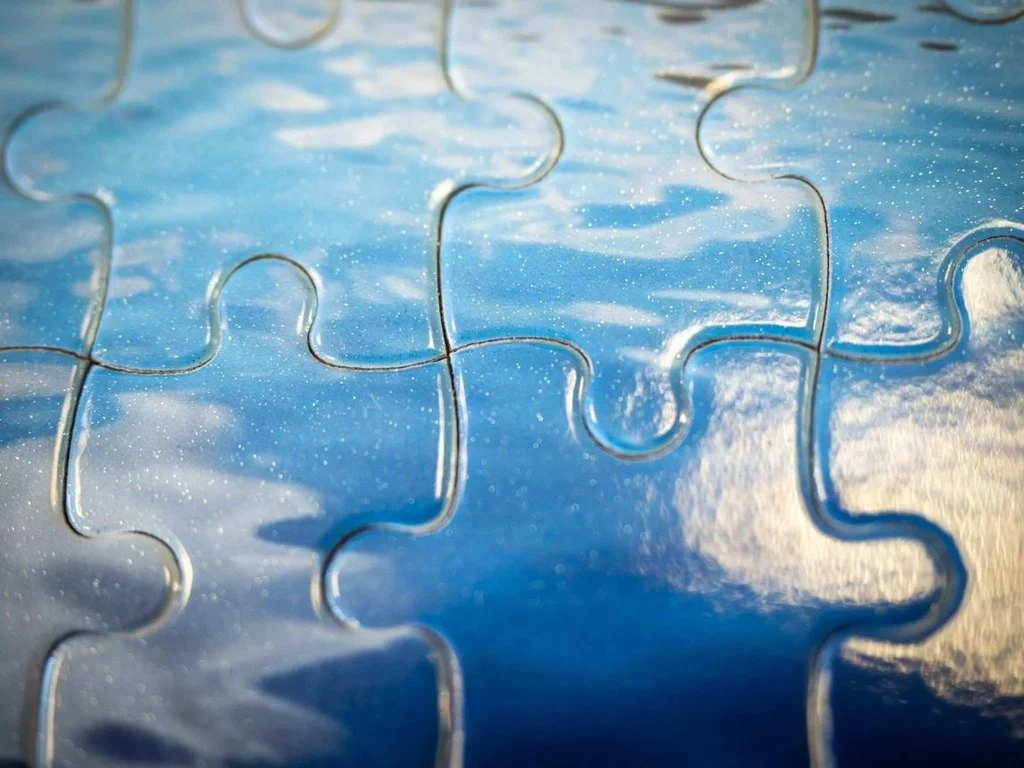
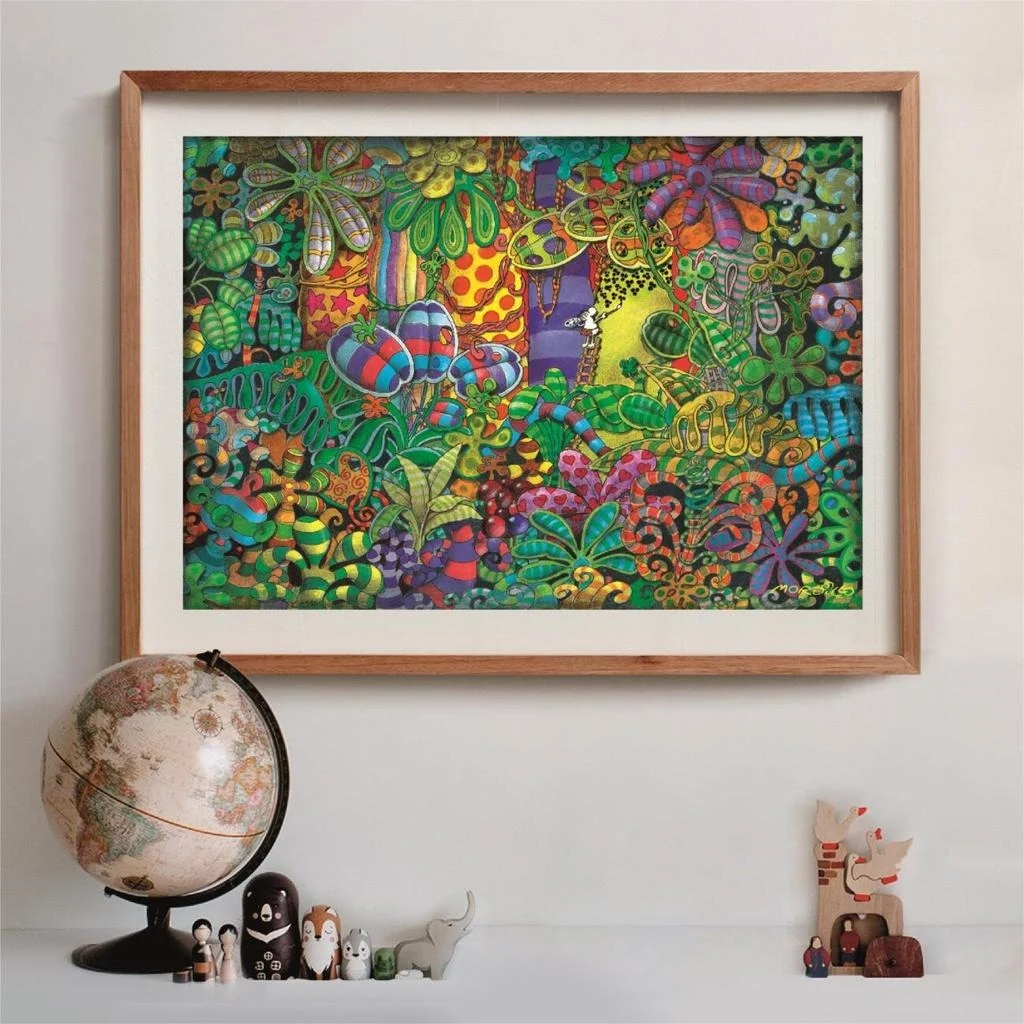
The main difference between matte and gloss Mod Podge is the amount of shine reflected by the dried surface.
- Matte: Dries to a clear, low-sheen finish that minimizes reflections.
- Gloss: Dries to a clear, shiny finish that reflects more light and can enhance the appearance of colors.
The official Mod Podge product range includes Puzzle Saver options designed specifically for preserving completed puzzles, including matte and gloss finishes.
Comparison Table
| Feature | Mod Podge Matte | Mod Podge Gloss |
| Final appearance | Flat, understated | Shiny, polished |
| Light reflection | Low | Higher |
| Color appearance | Natural-looking | May appear richer |
| Behind glass | Often preferable | May create additional glare |
| Display without glass | Subtle, low-glare look | Attractive, shiny finish |
| Best for | Minimal reflections | A glossy decorative effect |
| Puzzle preservation | Suitable when using an appropriate formula | Suitable when using an appropriate formula |
Both are reasonable options for a completed puzzle. Choose based on the appearance you want rather than assuming that one finish always holds the pieces together better.
Which Is Better for Puzzles: Matte or Gloss?
The best finish depends on how and where you intend to display your completed puzzle.
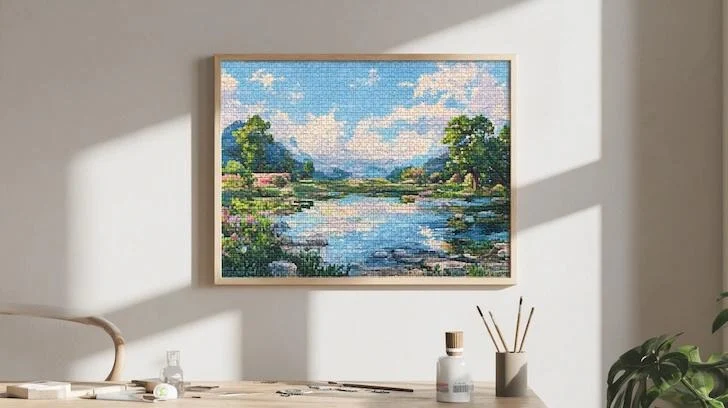
Choose matte if you want less glare
Matte is a strong choice for puzzles displayed behind glass, near windows, or under bright room lighting. Its non-reflective appearance makes the artwork easier to view from different angles.
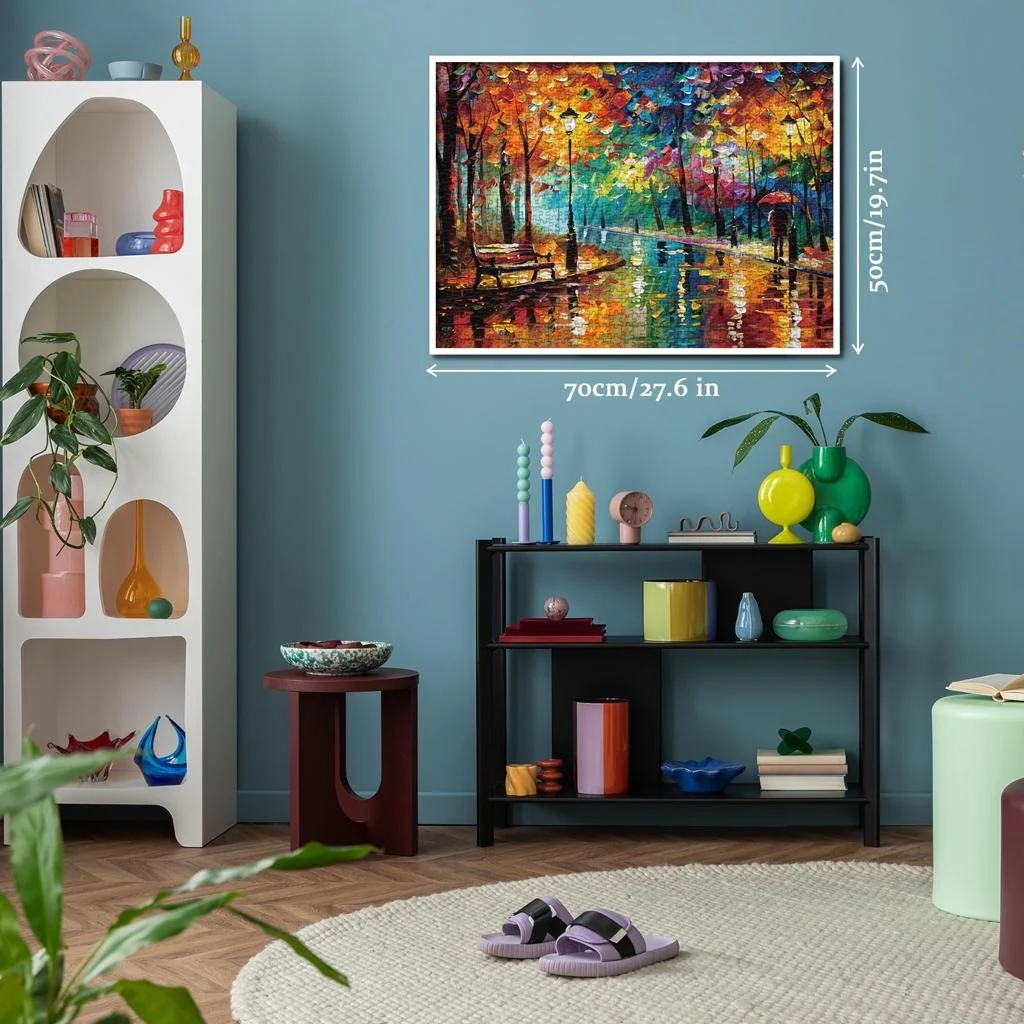
Choose gloss if you want more shine
Gloss works well for decorative puzzles displayed without glass, especially when you like a polished finish and a more pronounced sheen. Be aware that direct light can produce reflections.
Ravensburger’s framing guidance similarly recommends considering glare and display conditions when choosing between matte and gloss puzzle finishes.

Is matte or gloss better for a puzzle behind glass?
Matte is usually the better starting point for a puzzle that will be displayed behind glass. Glass already creates reflections, and adding a glossy coating can increase distracting glare.
However, the frame’s glazing, lighting, and viewing angle also affect reflections. If possible, test the finish on a small, inconspicuous area or spare puzzle piece before coating the entire puzzle.
Is gloss better for colorful puzzles?
Gloss can make colorful artwork look richer and more polished by reflecting light from the surface. This can work especially well for vivid landscapes, illustrations, and decorative designs.
However, gloss does not change the printed image itself. The perceived color difference depends on the artwork and the lighting.
Does Mod Podge Matte Dry Clear on Puzzles?
Yes. Mod Podge Matte is designed to dry clear with a smooth, matte appearance. It may look milky or white while wet, so don’t judge the finished appearance immediately after application.
To achieve a clean finish:
- Apply an even coat instead of leaving thick puddles.
- Spread the product gently across the puzzle.
- Pay attention to the gaps between pieces.
- Allow the coating to dry according to the product label.
- Avoid excessive brushing once the product begins to set.
A clear-drying finish does not mean the coating is invisible under every lighting condition. Surface texture and application marks may still be visible.
Can You Use Regular Mod Podge Instead of Puzzle Saver?
Regular Mod Podge Matte and Gloss are multipurpose craft adhesives, sealers, and finishes. Puzzle Saver is specifically marketed for preserving assembled jigsaw puzzles.
For a completed puzzle that you want to keep intact, a puzzle-specific formula is a sensible first choice.
If you already own regular Mod Podge, check its product directions and compatibility with your puzzle material before applying it. Avoid assuming that every Mod Podge formula behaves identically.
Practical recommendation: Choose Mod Podge Puzzle Saver Matte for a low-glare finish or Puzzle Saver Gloss for a shiny finish. Check the exact product label, since available formulations and instructions may vary.
How to Apply Mod Podge to a Finished Puzzle
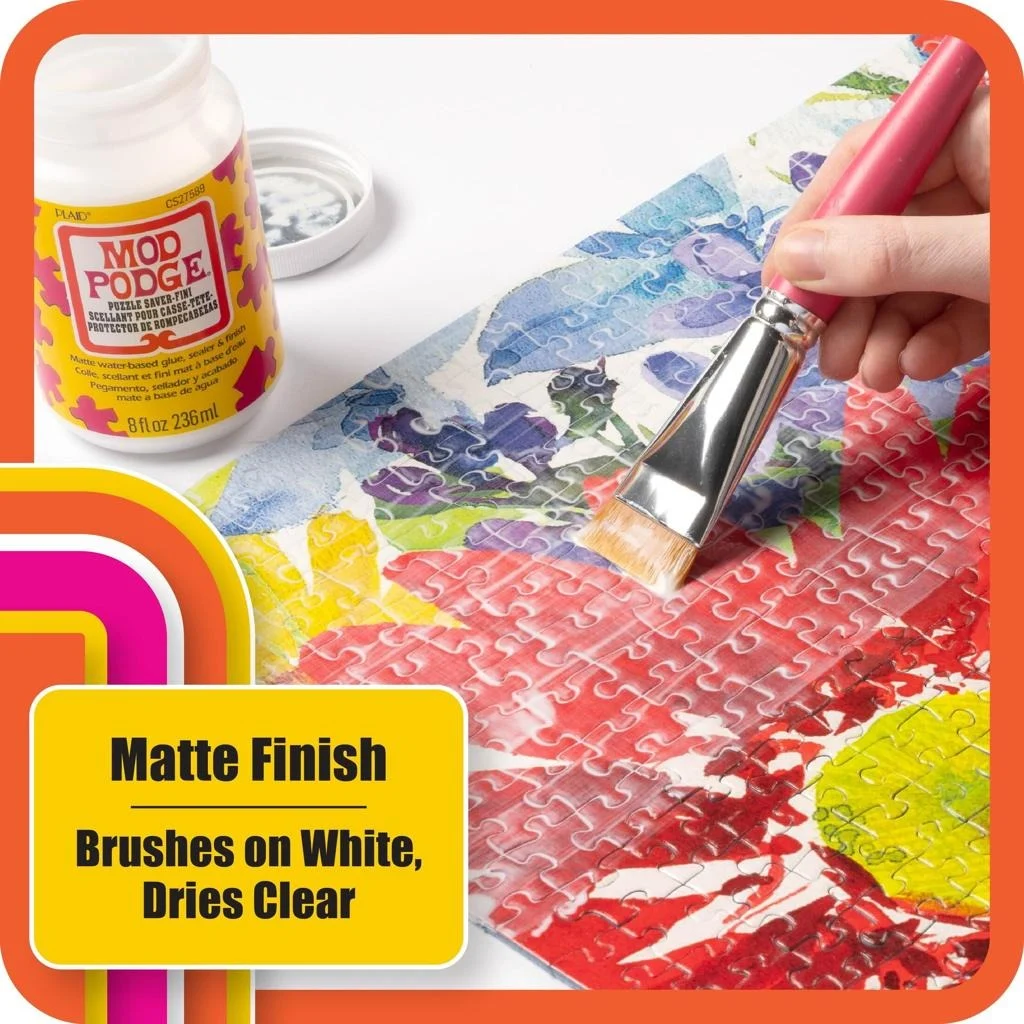
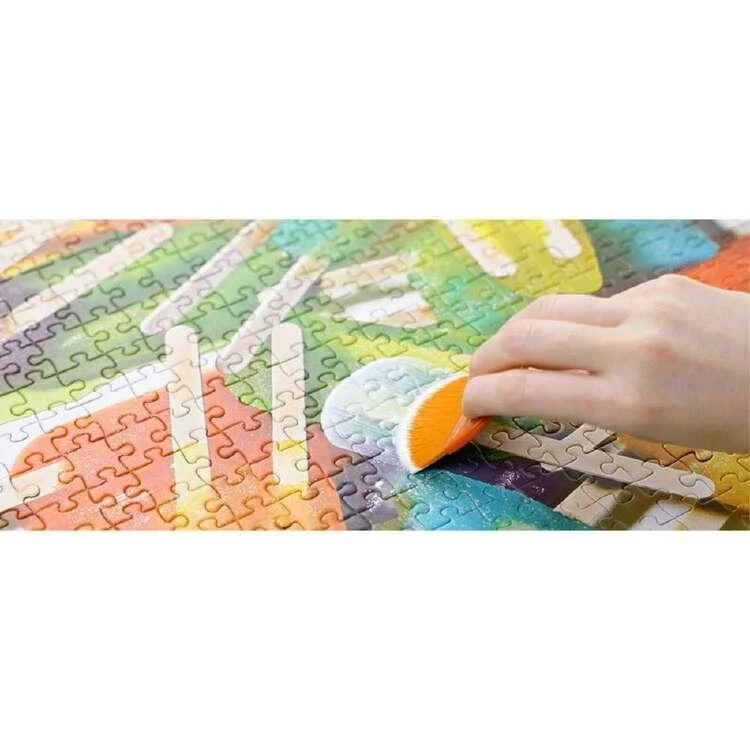
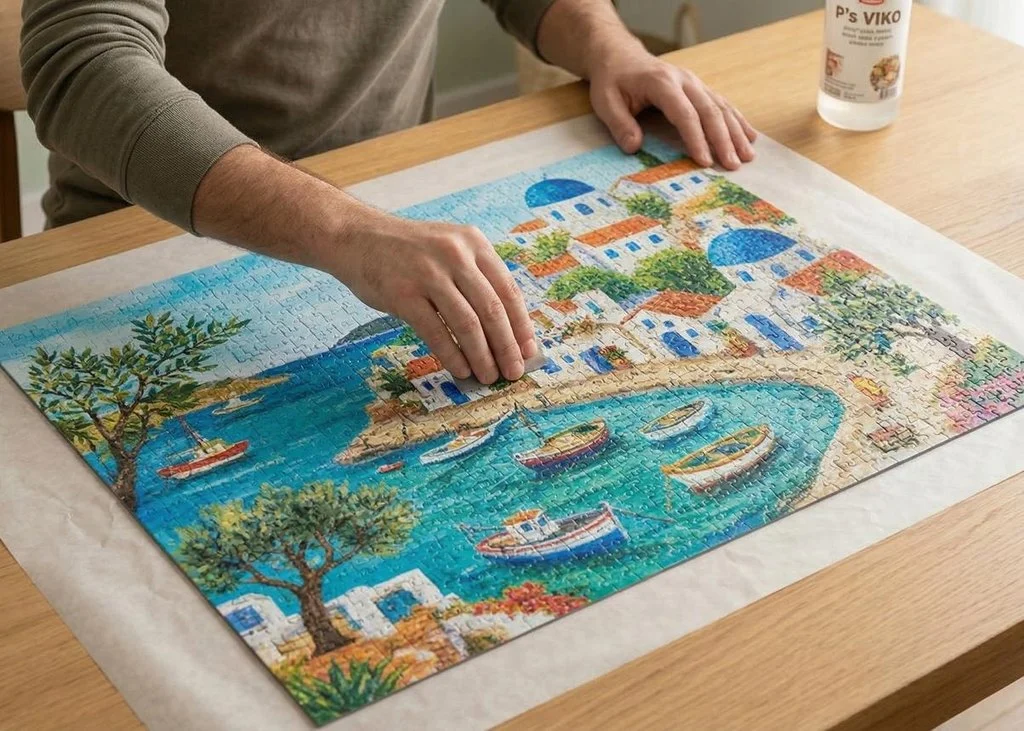
Follow these steps to help preserve your puzzle without creating unnecessary streaks, bubbles, or damage.
Step 1 Prepare your puzzle
Complete the puzzle on a flat, stable surface. Make sure the pieces fit together properly and the surface is free of dust, crumbs, and loose debris.
Place a suitable protective sheet beneath the puzzle or transfer it carefully onto a board that supports the entire assembly.
Step 2 Choose the right product
Select Puzzle Saver Matte or Puzzle Saver Gloss according to your preferred finish. Read the product label to confirm application instructions and drying times.
Step 3 Apply an even coat
Use the applicator recommended by the manufacturer, such as a foam brush. Spread the sealer gently over the puzzle, working systematically so you cover the entire surface.
Avoid excessive pressure, which can shift pieces or disturb the printed image.
Step 4 Cover the gaps carefully
Work the product across the joints between pieces without leaving large pools of adhesive. A consistent coat helps the finished puzzle look more uniform.
Step 5 Let it dry completely
Keep the puzzle flat in a clean, dust-free area. Follow the specific product’s instructions before handling, adding another coat, or framing it.
Touch-dry does not necessarily mean fully cured. Avoid stacking or placing heavy objects on the puzzle before the coating is ready.
Step 6 Mount or frame your puzzle
Once the coating is ready according to the label, mount or frame the puzzle using a suitable backing and framing method.
If you plan to use glass, consider how the glass and finish will interact with your room’s lighting.
Common Mistakes to Avoid
| Mistake | Why it matters | Better approach |
| Applying a very thick coat | May cause uneven drying or pooling | Apply a controlled, even layer |
| Brushing repeatedly over setting adhesive | Can leave visible marks | Spread gently and avoid overworking it |
| Moving the puzzle while wet | Pieces may shift or separate | Keep the assembly supported and flat |
| Framing before the coating is ready | Can affect the finish or cause sticking | Follow the label’s drying and curing guidance |
| Choosing gloss without considering lighting | Reflections may distract from the image | Consider matte for glare-sensitive displays |
| Using an untested formula | The puzzle surface may react differently | Check compatibility and test when possible |
Quick Decision Guide
Use this guide to make your choice without overthinking the finish.
1. How will you display your puzzle?
Behind glass
Without glass
Not decided yet
2. Which appearance do you prefer?
Natural and non-reflective
Shiny and polished
YOUR RECOMMENDATION
Mod Podge Puzzle Saver Matte
A good default for a framed puzzle because it helps minimize reflections from the coating.
FAQs
Is Mod Podge matte or gloss better for puzzles?
Matte is generally better if you want to reduce glare, while gloss is preferable for a shiny, polished appearance. Both can be suitable for preserving a completed puzzle when used according to their product instructions.
Does Mod Podge gloss make puzzle colors brighter?
Gloss can make colors appear richer or deeper because its shiny surface reflects light. The actual printed colors remain the same, and the visual effect depends on the artwork and lighting.
Does Mod Podge matte dry completely clear?
Yes. Mod Podge Matte is designed to dry clear with a non-glossy finish. It may look white or milky while wet, so allow it to dry before evaluating the final appearance.
Can I use Mod Podge to seal a 1,000-piece puzzle?
Yes, a suitable Mod Podge Puzzle Saver formula can be used to preserve a 1,000-piece puzzle. Coverage depends on the puzzle’s dimensions and the amount applied, so check the bottle’s instructions and coverage guidance.
Should I glue the front or back of a jigsaw puzzle?
Liquid puzzle sealers are commonly applied to the front to secure the pieces and seal the image. Some projects may benefit from additional backing or reinforcement, depending on the mounting method and product directions.
How long does Mod Podge take to dry on a puzzle?
Drying time depends on the specific formula, coat thickness, temperature, and humidity. Some Puzzle Saver products advertise touch-drying in approximately 15–20 minutes, but that does not necessarily mean the coating is fully cured. Follow the label before framing.
Can I frame a puzzle after using gloss Mod Podge?
Yes. Gloss-coated puzzles can be framed, but reflections from both the coating and the glass may make the artwork harder to see. Consider matte if minimizing glare is a priority.
Will Mod Podge ruin my jigsaw puzzle?
When used appropriately, a puzzle-specific sealer is designed to preserve completed puzzles. However, excessive adhesive, poor application, incompatible materials, or moving the puzzle while wet can cause problems. Test first if the puzzle is valuable or irreplaceable.
Is Mod Podge Puzzle Saver different from regular Mod Podge?
Yes, in intended use. Puzzle Saver is marketed specifically for assembled puzzles, while standard Mod Podge products serve broader craft purposes. Check the exact formula and instructions before substituting one for the other.
Can I use matte and gloss Mod Podge on the same puzzle?
You can experiment with different finishes, but combining them may create an inconsistent appearance. For a uniform result, select one finish for the entire puzzle unless you deliberately want a mixed effect.
Conclusion
Both matte and gloss can be suitable for preserving a completed jigsaw puzzle when you choose an appropriate product and follow its instructions. Choose matte if you want a restrained appearance with less glare, especially for framed artwork or puzzles displayed in bright rooms. Choose gloss if you prefer a shiny surface and a polished decorative effect. The most important considerations are the product formula, even application, adequate drying and curing, and the way you intend to display the finished puzzle. If you’re unsure, test the appearance before committing to the entire surface. Once your puzzle is sealed, you can move on to choosing the right backing, frame, and display location to show off all your hard work.

Mason Reed is a puzzle writer and enthusiast at Puzzlenexa.com, where he creates engaging puzzles, brain teasers, riddles and problem-solving challenges. His goal is to make every puzzle enjoyable, thought-provoking and rewarding for readers of all ages.