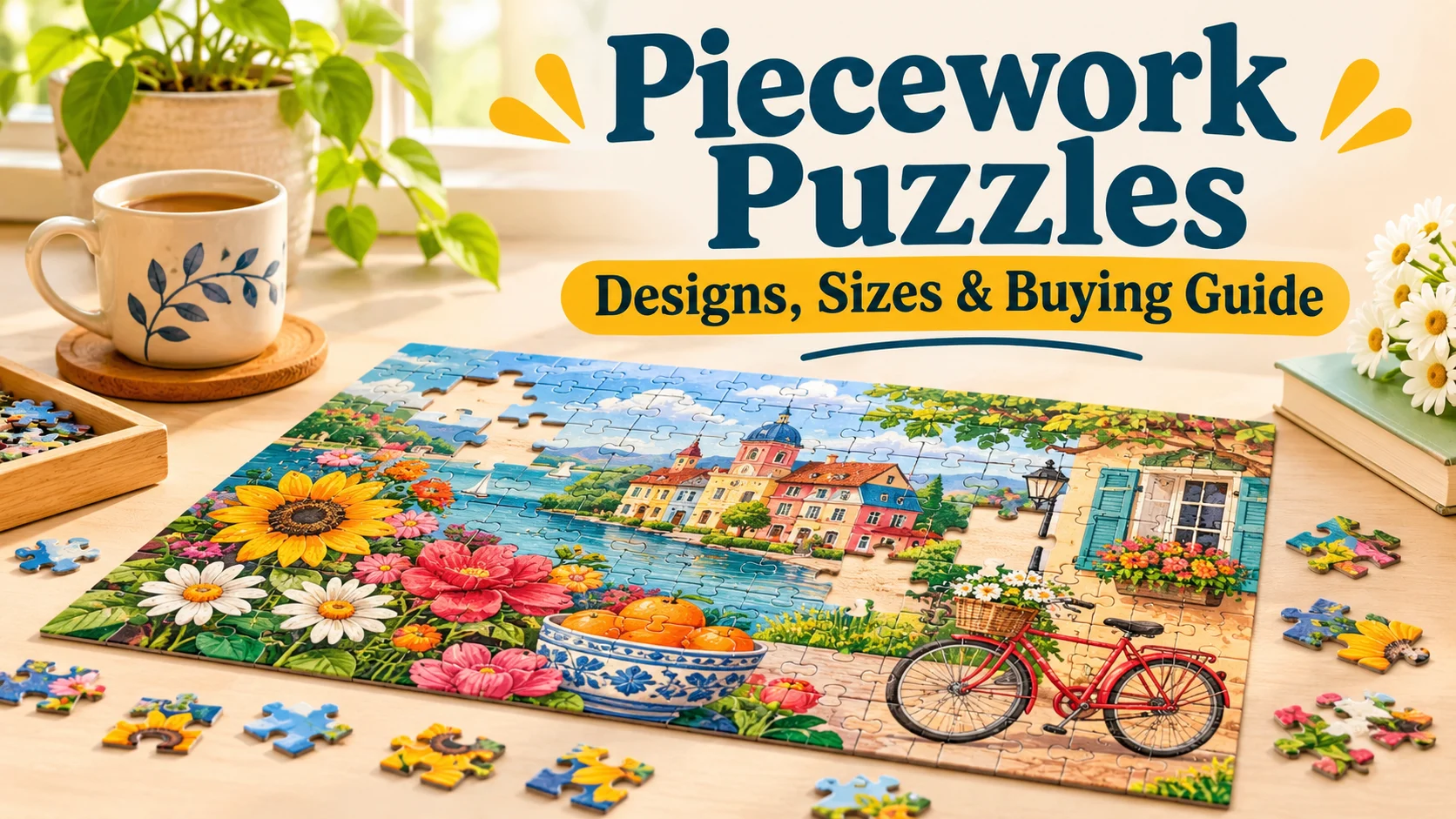
Piecework Puzzles is a jigsaw puzzle brand known for colorful, design-focused imagery and themed puzzle collections. Its range includes puzzles for adults and children, multiple piece counts, mini puzzles, and specialty designs. Choosing the right puzzle depends on the image, your experience, the time you want to spend assembling it, and whether you are buying for yourself or as a gift.
Piecework Puzzles is a brand that treats jigsaw puzzles as both a leisure activity and a design experience. Its products feature distinctive visual themes, including food, flowers, travel-inspired scenes, and playful lifestyle imagery. The company also offers related gifts and accessories.
The idea is simple: choose an image you enjoy, spread the pieces out, and gradually assemble the complete picture. Some people prefer working independently, while others enjoy solving puzzles with friends or family.
Explore the official Piecework puzzle collection to see its available designs and product categories.
What Types of Piecework Puzzles Are Available?
Piecework organizes its puzzle range into several formats, making it easier to choose according to your experience and available time.
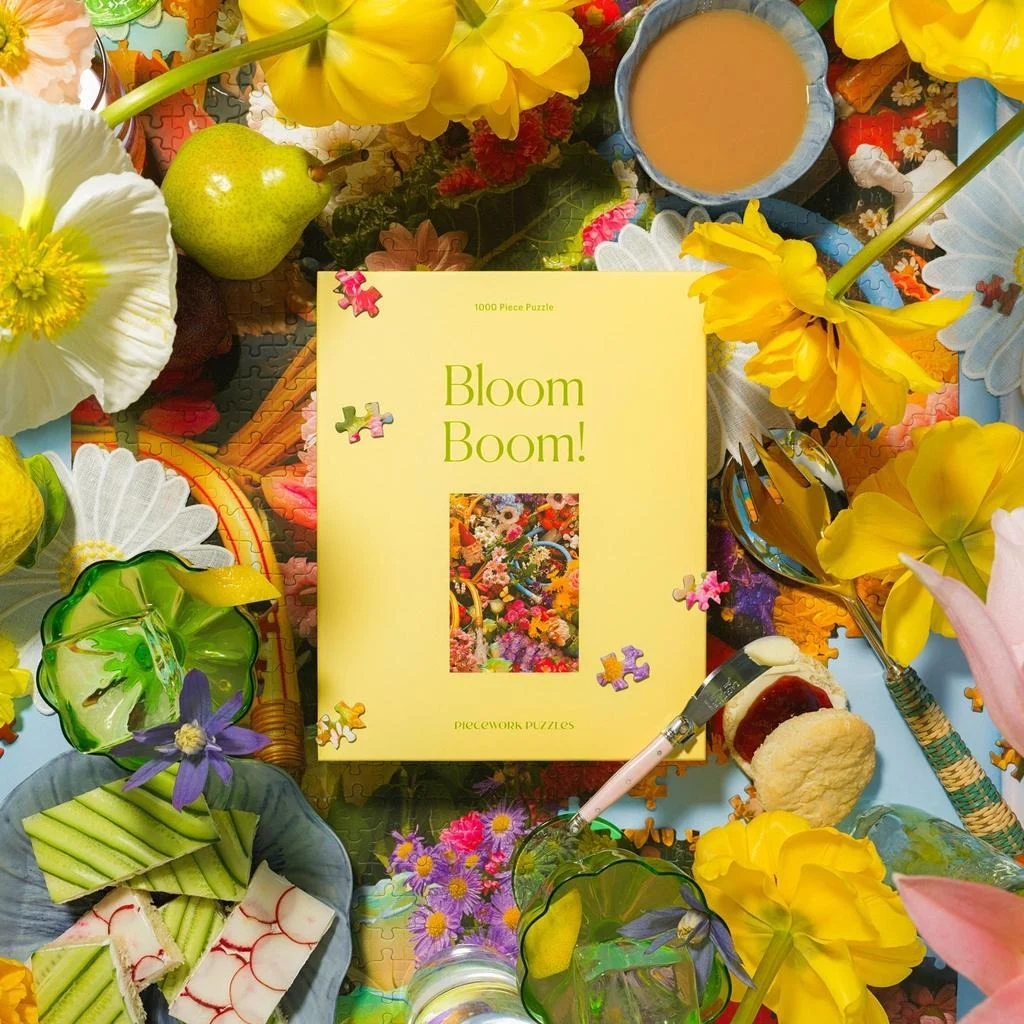
1. Large jigsaw puzzles
Larger puzzles are a good option for enthusiasts who enjoy extended solving sessions. A 1,000-piece puzzle generally requires more patience and organization than a smaller puzzle, particularly when large areas share similar colors or textures.
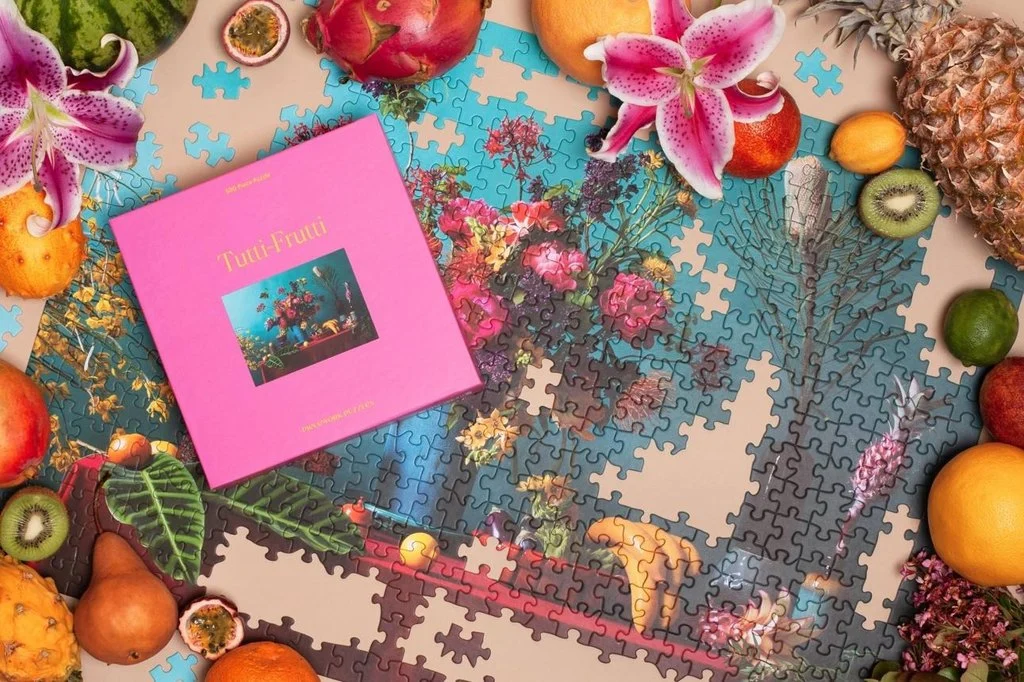
2. Medium-sized puzzles
A 500-piece puzzle can be a practical middle ground for someone who wants a substantial challenge without committing to a very large project. Image complexity still matters, so piece count alone does not determine difficulty.
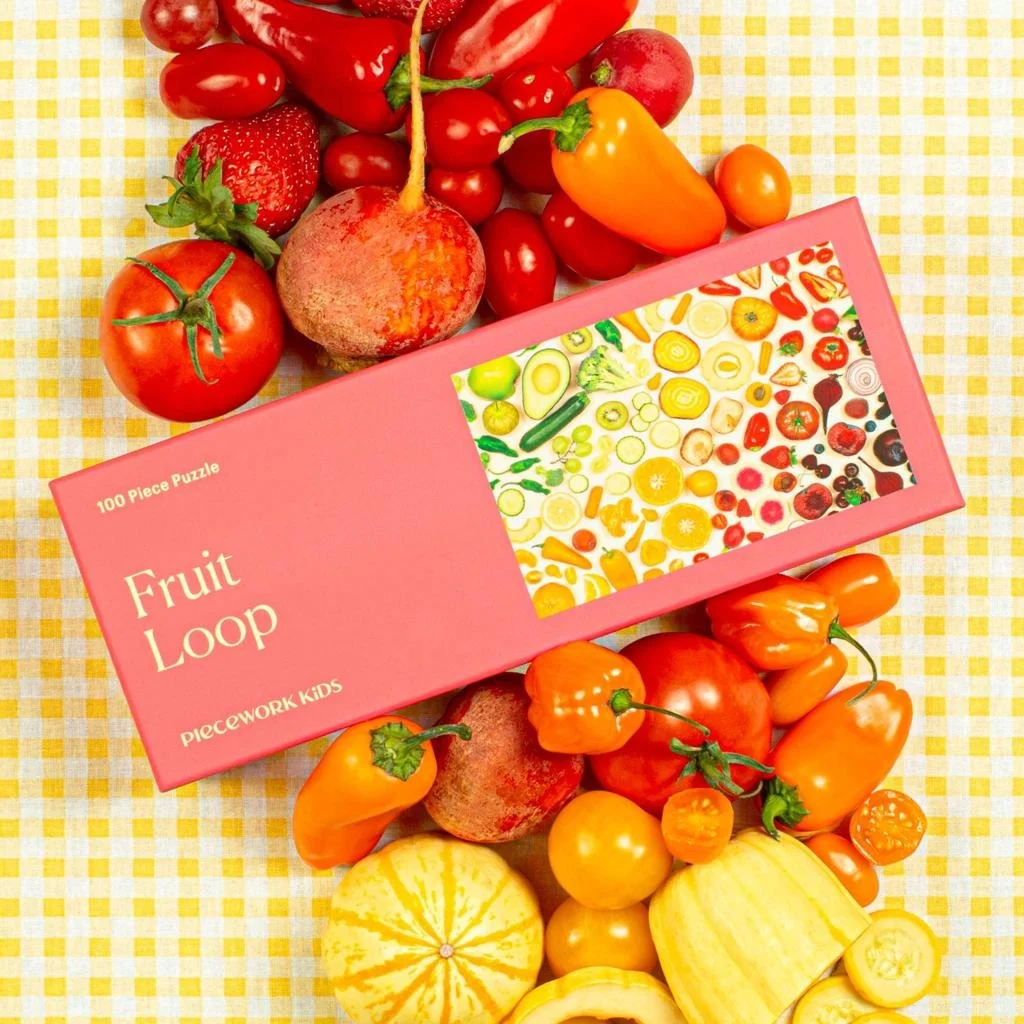
3. Children’s puzzles
Children’s puzzles use age-appropriate themes and smaller piece counts. Consider the recommended age, the size of the pieces, and the child’s experience when selecting a puzzle.
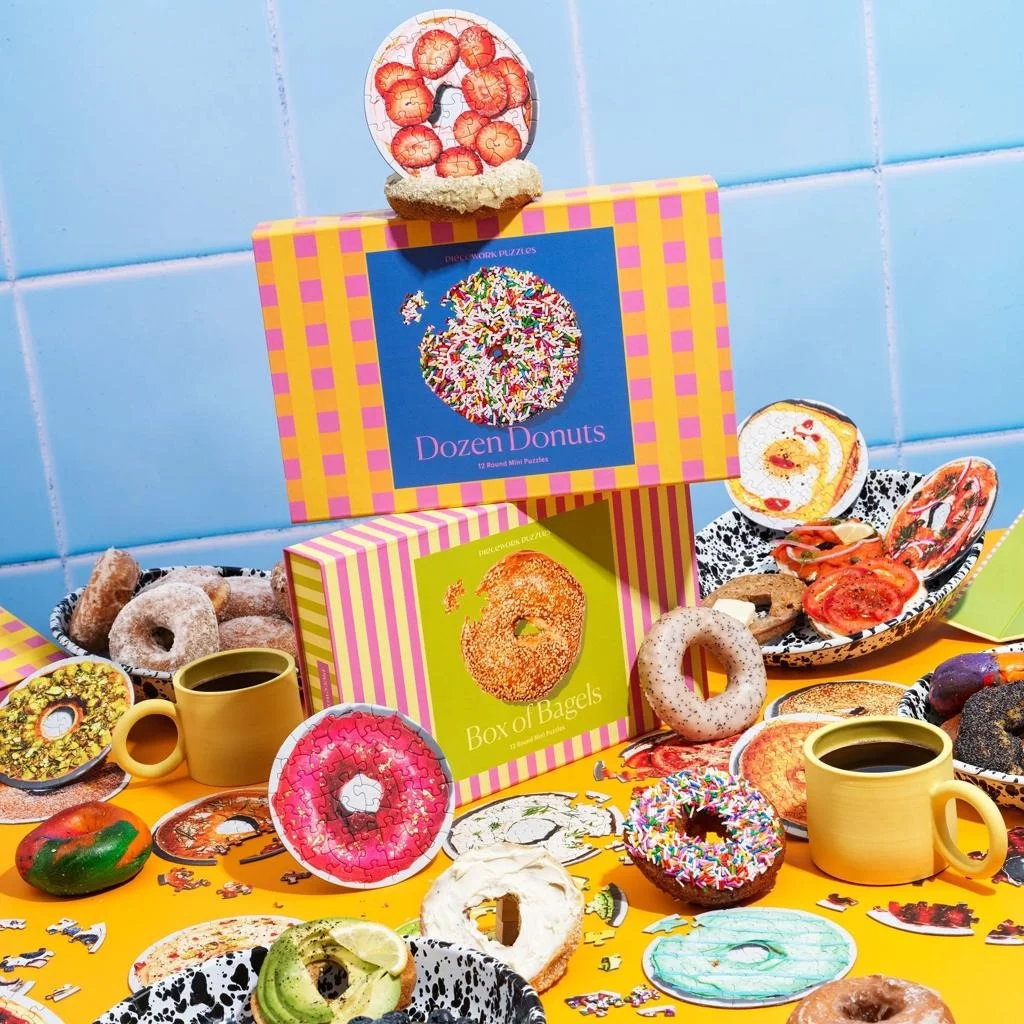
4. Mini and specialty puzzles
Mini puzzles offer a smaller-format activity, while specialty designs provide alternatives to conventional rectangular puzzles. These formats can suit short breaks, travel, or small gifts, depending on the product.
Product images above are illustrative search references, not confirmation of current inventory. Check the official store for the latest designs and availability.
How Many Pieces Should You Choose?
The best piece count depends on your available time, patience, experience, and the complexity of the artwork.
| Piece count | Best suited for | What to consider |
| Around 100 pieces | Young beginners and short sessions | Large, recognizable visual sections |
| 300–500 pieces | Casual puzzlers and intermediate beginners | Manageable challenge with room for detail |
| 750 pieces | Experienced casual puzzlers | A longer project requiring more sorting |
| 1,000 pieces | Enthusiasts and group sessions | More pieces, sorting, and sustained attention |
These are general recommendations, not guaranteed difficulty ratings for individual Piecework products. A 500-piece puzzle with a repeating pattern may be more difficult than a 750-piece puzzle with distinct colors and clear objects.
How to Choose the Right Piecework Puzzle
1. Start with the artwork
Choose an image that genuinely interests you. Food illustrations, botanical scenes, travel imagery, and playful compositions can each offer a different solving experience.
Look at the overall image and consider whether it contains recognizable objects, strong color contrasts, or large areas that appear similar.
2. Match the puzzle to your experience
If you are new to jigsaw puzzles, begin with a smaller format or an image that has clearly distinguishable sections. More experienced puzzlers may prefer intricate artwork or larger piece counts.
3. Consider who will solve it
For a family activity, choose a design and piece count that everyone can participate in comfortably. For a gift, consider the recipient’s interests, available table space, and previous puzzle experience.
4. Check the product details
Before purchasing, review the listed piece count, finished dimensions, recommended age where applicable, and current availability. These details can vary between individual products.
5. Think about storage
Large puzzles can take up considerable table space during assembly. If you cannot leave a puzzle out between sessions, consider whether you have a suitable puzzle board, sorting trays, or a safe storage area.
Tips for Solving a Jigsaw Puzzle Faster
A little organization can make a puzzle more enjoyable without turning it into a race.
- Separate the edge pieces. Find pieces with one straight edge and assemble the border first when the puzzle has a conventional rectangular shape.
- Sort by color and pattern. Group pieces that share obvious visual characteristics, such as blue skies, green leaves, lettering, or food items.
- Use distinctive details. Start with recognizable objects or unusual shapes in the artwork instead of tackling the most repetitive section first.
- Check the reference image. Keep the box image or an official product reference nearby so you can identify where individual details belong.
- Avoid forcing pieces. A piece that appears close but does not fit naturally may belong elsewhere. Shape and image continuity should agree.
- Take breaks. Returning with fresh eyes can make subtle differences in color, pattern, and piece shape easier to notice.
Are Piecework Puzzles Good Gifts?
Jigsaw puzzles can make thoughtful gifts for people who enjoy art, hands-on activities, or relaxed evenings at home. A visually distinctive design can also appeal to someone who appreciates illustration and design.
When choosing a gift, consider:
- For beginners: A smaller puzzle with clearly differentiated sections.
- For experienced puzzlers: A larger puzzle or artwork with more intricate detail.
- For children: An age-appropriate design with a suitable piece count.
- For couples or friends: A puzzle that can be completed collaboratively.
- For design enthusiasts: Artwork that matches their interests or home aesthetic.
Piecework also offers gift-oriented products beyond jigsaw puzzles. You can review the brand’s current offerings through its official product collection.
How to Find Official Piecework Puzzles
The most reliable starting point is the official Piecework website. Browse the available collections, compare piece counts, and read each product’s specifications before ordering.
If a design is unavailable, check whether the website lists a restock notification or browse other retailers that carry the brand. Stock and prices can change, so confirm current details directly with the seller.
For international shoppers, review shipping destinations, delivery costs, import duties, and return policies before placing an order. Do not assume that shipping terms advertised for one country apply everywhere.
Quick Checklist Before Buying
Puzzle buying checklist
0 of 6
The artwork matches my interests
The piece count suits my experience
I have enough space to assemble it
The finished dimensions fit my available area
The product is currently available
The seller’s shipping and return terms are clear
Reset checklist
FAQs
What are Piecework Puzzles?
Piecework Puzzles is a jigsaw puzzle brand known for visually distinctive artwork, themed designs, and puzzle-related gifts. Its collection includes several piece counts, children’s puzzles, mini puzzles, and specialty formats.
Where can I buy Piecework Puzzles?
You can browse designs and product categories on the official Piecework website. Availability, prices, shipping options, and discounts may change, so check the product listing before purchasing.
How many pieces do Piecework Puzzles have?
The brand offers multiple formats, including 500-piece, 750-piece, and 1,000-piece jigsaws, as well as children’s and mini puzzles. Exact sizes vary by product, so check the individual listing for current specifications.
Are Piecework Puzzles suitable for beginners?
Yes, beginners can choose a smaller puzzle or an image with clearly differentiated colors and objects. Consider both the piece count and the artwork’s complexity when selecting your first puzzle.
Are Piecework Puzzles suitable for children?
The brand has a children’s puzzle category. Select a product based on the child’s age, experience, and the manufacturer’s age recommendation rather than relying on piece count alone.
What makes a jigsaw puzzle difficult?
Difficulty depends on piece count, image complexity, color variation, repeated patterns, piece shapes, and the amount of visual information available. A smaller puzzle with a repetitive image can be surprisingly challenging.
How do you solve a jigsaw puzzle efficiently?
Start by separating edge pieces, then group other pieces by color, texture, or recognizable objects. Assemble distinctive sections first and use the reference image to guide placement. Avoid forcing pieces that do not fit naturally.
Are Piecework Puzzles good gifts?
They can be suitable gifts for puzzle enthusiasts, design lovers, families, and people who enjoy relaxing activities. Choose an appropriate piece count and artwork, and check current product availability before ordering.
Does Piecework sell puzzle accessories?
The brand’s website lists puzzle accessories, including sorting trays. Check the official accessories collection for current products and availability.
How do I choose between a 500-piece and a 1,000-piece puzzle?
Choose 500 pieces if you prefer a more manageable project or have limited time and space. Choose 1,000 pieces if you enjoy longer solving sessions and can accommodate a larger layout. The image itself also affects difficulty.
Conclusion
Piecework Puzzles offers a design-focused take on the traditional jigsaw, with formats and themes suited to different interests and experience levels. The best choice is not necessarily the puzzle with the most pieces; it is the one whose artwork, complexity, and size match the person solving it.
Start by choosing an image you love, compare the available piece counts, and check the product specifications before buying. If you are new to jigsaws, a smaller puzzle can help you develop sorting and pattern-recognition skills. If you already enjoy long solving sessions, a larger design may be a rewarding next project. For current designs, availability, and purchase information, visit the official Piecework website.

Mason Reed is a puzzle writer and enthusiast at Puzzlenexa.com, where he creates engaging puzzles, brain teasers, riddles and problem-solving challenges. His goal is to make every puzzle enjoyable, thought-provoking and rewarding for readers of all ages.