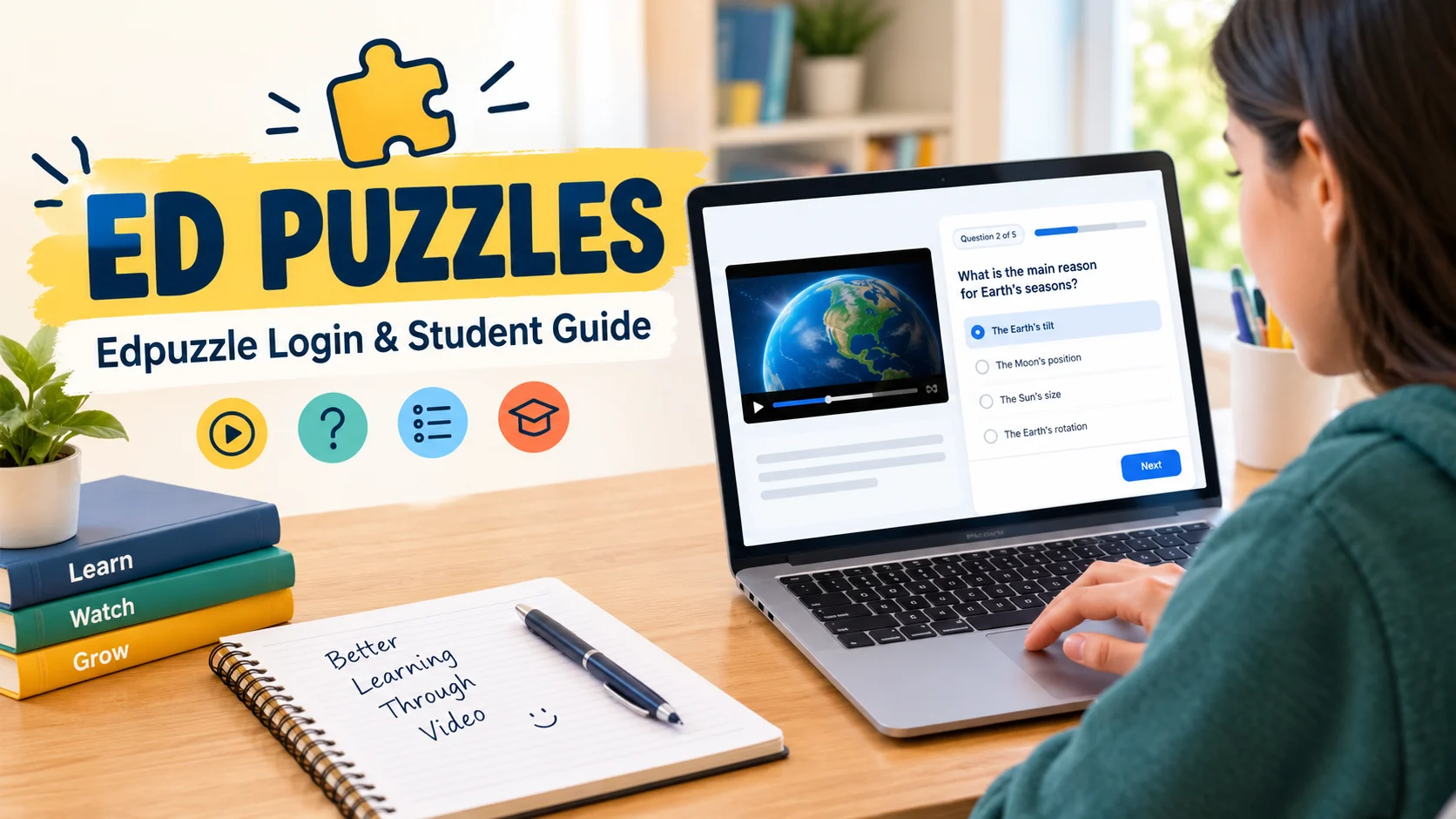
Ed puzzles usually refers to Edpuzzle, an educational platform where teachers add questions and notes to videos to create interactive lessons. Students can sign in, join a class, watch assigned videos, and answer questions. Teachers can review responses and monitor progress through their accounts.
If you searched for ed puzzles, you may be trying to find your school assignment, log in to your account, understand how video questions work, or learn how to use Edpuzzle for teaching. The first step is to visit the official website and follow the instructions provided by your teacher.
This guide explains how the platform works, how students can access assignments, what to do when a lesson is missing, and how to approach questions confidently. It also includes original educational practice puzzles for readers who want to exercise their reasoning skills.
Whether you are a student completing homework, a parent helping with schoolwork, or a teacher preparing an interactive lesson, you can use the relevant sections below to find what you need.
What Are Ed Puzzles?
The phrase “ed puzzles” commonly refers to Edpuzzle, a tool for creating and completing interactive video lessons.
Instead of simply watching a video, learners encounter questions or notes at selected points. They answer questions as they progress through the lesson, while teachers can use submitted responses to understand how students are doing.
Edpuzzle can be used for subjects such as:
- Mathematics and problem-solving.
- Science and biology.
- English and language learning.
- History and social studies.
- Revision, homework, and classroom activities.
The exact content depends on the video and the teacher who created the assignment.
How to Access Edpuzzle

Students generally access their lessons through one of these methods:
- Sign in to an existing Edpuzzle account.
- Open the assignment link supplied by the teacher.
- Join a class using the teacher’s class code, when applicable.
- Open the assignment through a connected learning management system, if the school uses one.
Your school’s setup determines which method you should use.
How to log in to Edpuzzle as a student
- Visit the official Edpuzzle website.
- Select Log in.
- Choose the student option if prompted.
- Sign in using the same method you used to register, such as Google or your Edpuzzle username and password.
- Open your class and select the assigned lesson.
If your teacher uses Google Classroom, the account associated with that classroom may be required.
Important: Use the official website rather than an unfamiliar page claiming to provide access to your school account.
How to Join an Edpuzzle Class
If your teacher gives you a class code, follow the instructions for your particular class type.
For a standard class, sign in, select the option to add a class, enter the code, find the class, and select the option to join.
For an open class, visit Edpuzzle, choose Open class, enter the code, and follow the prompts to join. An open class can allow participation without creating a regular Edpuzzle account.
If neither method works, ask your teacher to confirm the code or send the correct class link.
How to Complete Edpuzzle Assignments
Once you can access your class, completing a video assignment is straightforward.
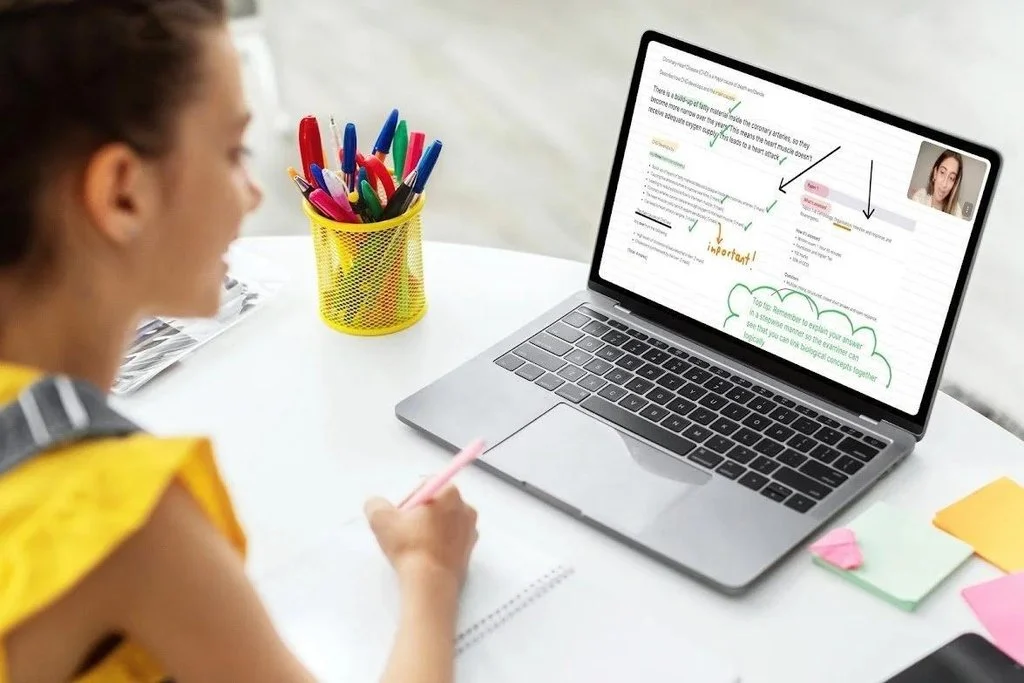
Step 1: Open the assigned lesson
Select the video or activity your teacher has assigned. Check the instructions and due date.
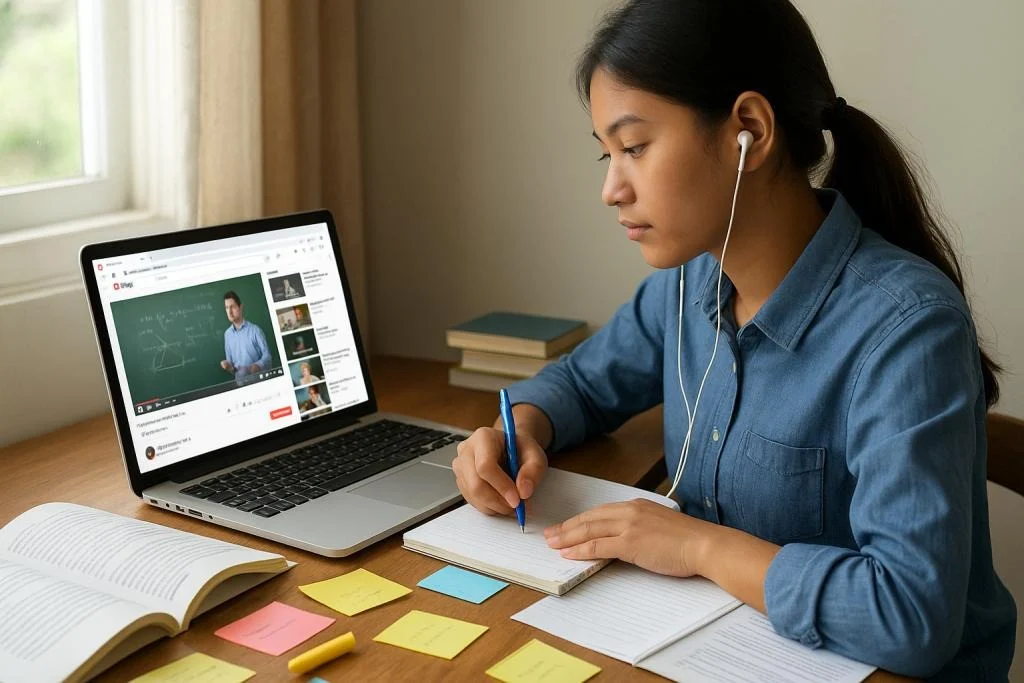
Step 2: Watch carefully
Pay attention to explanations, examples, diagrams, and important details.
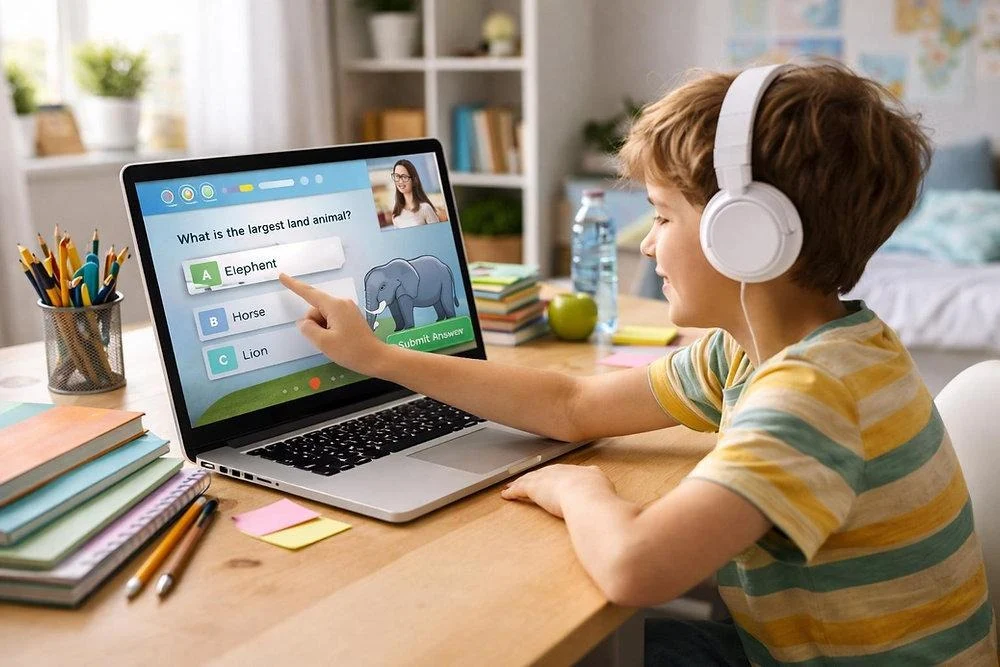
Step 3: Answer questions
When a question appears, read it fully and select or write your answer before continuing.

Step 4: Finish and check submission
Follow the on-screen instructions to complete the activity and submit it if required.
Edpuzzle supports multiple-choice and open-ended questions. Multiple-choice questions may be graded automatically, while open-ended responses can require teacher grading.
Edpuzzle Answers: How to Find the Correct Responses
There is no universal answer key for every Edpuzzle assignment. Teachers can use different videos, questions, and instructions, so the correct responses depend on the specific lesson.
If you are stuck on a question, try these steps:
- Read the question again. Identify exactly what it asks.
- Review the relevant video segment. Look for a definition, example, calculation, or explanation.
- Eliminate incorrect options. For multiple-choice questions, compare each choice with the lesson.
- Explain your reasoning. For open-ended questions, use a complete sentence and include relevant evidence.
- Ask your teacher for clarification. This is especially useful when a question seems unclear or a video does not explain the required concept.
If you want to prepare before opening your assignment, try the original practice puzzles below. They develop general reasoning skills, but they are not an answer key for a specific teacher-created Edpuzzle lesson.
Original Educational Practice Puzzles
These short exercises are suitable for students and families who want to practise logic, arithmetic, patterns, and vocabulary. Each question has a single intended answer under the stated conditions.
Try five practice puzzles
Mixed difficulty
Choose one answer per question, then check your results. These are practice exercises, not official Edpuzzle questions.
1. A notebook costs $4. A pen costs $2. What is the total cost of 3 notebooks and 2 pens?
A. $12
B. $14
C. $16
D. $18
2. Find the next number: 3, 7, 11, 15, __.
A. 17
B. 18
C. 19
D. 20
3. All tulips in a garden are flowers. A plant in the garden is a tulip. What must be true?
A. It is a flower
B. It is a tree
C. It is red
D. It grows indoors
4. Rearrange the letters in LISTEN to form a common English word meaning quiet.
A. SILENT
B. ENLIST
C. TINSEL
D. INLETS
5. Mina is older than Ali. Ali is older than Sara. Who is the youngest?
A. Mina
B. Ali
C. Sara
D. Cannot be determined
Check answersTry again
Common Edpuzzle Problems and Solutions
If an assignment is not working, start with the issue you are experiencing.
| Problem | What to try |
| Cannot log in | Check your sign-in method and use the correct school or Google account. |
| Assignment is missing | Open the teacher’s link and confirm you are in the correct class. |
| Class code does not work | Check the code with your teacher or request a new link. |
| Video will not play | Check your internet connection, refresh the page, and try an updated browser. |
| Progress is not saved | Confirm you are using the correct account and the assigned lesson rather than a preview link. |
| Cannot answer a question | Review the relevant video section and ask your teacher if the wording remains unclear. |
Edpuzzle’s official support guidance specifically recommends checking account details when an assignment is missing and using an appropriate app or supported, updated browser when troubleshooting playback and progress.
How Teachers Can Use Edpuzzle
Edpuzzle is also a lesson-creation tool for educators. Teachers can select an existing video or upload their own, add questions or notes, assign the activity, and review student progress.
Common classroom uses include:
- Introducing a topic before a classroom discussion.
- Checking understanding during a science or mathematics lesson.
- Assigning video-based revision for homework.
- Identifying concepts that students may need to revisit.
- Encouraging students to pause, reflect, and explain their reasoning.
For teachers, the key is to make questions clear and relevant to the lesson objective. A well-designed interactive video should help learners understand the material, not merely interrupt it.
Edpuzzle vs. TED-Ed Puzzles
The names are similar, but the tools serve different purposes.
| Feature | Edpuzzle | TED-Ed puzzles |
| Main purpose | Interactive video lessons and assignments | Educational videos, riddles, and thinking challenges |
| Typical activity | Answer questions embedded in a lesson | Solve a riddle or explore a problem |
| Common audience | Students and teachers | Curious learners, students, and educators |
| Where to start | Edpuzzle | TED-Ed lessons |
Choose Edpuzzle when you need to access a teacher-assigned video lesson. Explore TED-Ed when you want educational videos and puzzle-based challenges. The two are not interchangeable.
FAQs
What are ed puzzles?
Ed puzzles commonly refers to Edpuzzle, a learning platform that adds questions and notes to videos. Teachers use it to create interactive lessons, while students watch assigned content, respond to questions, and complete educational activities.
Is Edpuzzle free for students?
Students can complete assigned lessons according to their teacher’s setup and account arrangements. Some classes allow access without a regular account, while tracked assignments require an Edpuzzle account. Check the official platform for current access requirements.
How do I join an Edpuzzle class?
Use the class code or invitation link provided by your teacher. Depending on the class type, you may need to sign in first or choose the Open class option. If the code fails, ask your teacher to verify it.
Where can I find Edpuzzle answers?
Answers depend on the specific video and questions assigned by your teacher. Review the relevant lesson segment, compare the information with the question, and explain your reasoning. A general online answer key cannot reliably cover every teacher-created assignment.
Why can’t I see my Edpuzzle assignment?
You might be signed into the wrong account, have joined the wrong class, or be opening an incorrect assignment link. Sign in with the account your teacher expects and reopen the original assignment link. Contact your teacher if the lesson remains missing.
Can I use Edpuzzle on a phone?
Yes. Edpuzzle provides mobile apps for iOS and Android. The appropriate access method may depend on the activity and how your school assigns it. Follow the instructions supplied with your assignment.
Can teachers create their own Edpuzzle lessons?
Yes. Teachers can use existing videos or upload their own, add questions and notes, assign activities to classes, and review student progress. This makes it possible to tailor video lessons to specific learning objectives.
Are Edpuzzle and TED-Ed the same?
No. Edpuzzle is designed for interactive video lessons and assignments. TED-Ed offers educational videos and lessons, including riddles and problem-solving challenges. Both support learning, but their main purposes differ.
What should I do if my Edpuzzle video freezes?
Check your internet connection, refresh the page, and try an updated supported browser or the appropriate app. If the problem continues, contact your teacher.
Conclusion
Ed puzzles can refer to Edpuzzle, an interactive learning platform that helps students engage with educational videos and lets teachers check understanding. If you need to complete an assignment, begin with the official website, sign in using the correct account, and open the link or class supplied by your teacher.
If a question is difficult, review the relevant lesson and explain your reasoning rather than relying on a generic answer key. Teachers can also use interactive video questions to make lessons more focused and meaningful. Once you have completed your assignment, try the practice puzzles in this guide or explore TED-Ed for more educational challenges.

Mason Reed is a puzzle writer and enthusiast at Puzzlenexa.com, where he creates engaging puzzles, brain teasers, riddles and problem-solving challenges. His goal is to make every puzzle enjoyable, thought-provoking and rewarding for readers of all ages.